

Lemongrass tea is a light, citrusy herbal infusion made from the leaves or stalks of lemongrass, a tall grass used in Thai and Vietnamese cooking. This guide covers what lemongrass tea is, what the research says about its benefits (it is thinner than many articles suggest), how to make it with fresh or dried lemongrass, and who should be careful with it.
| ⚕️ Medical Disclaimer This article is for informational purposes only and does not constitute medical advice. Lemongrass tea is not a treatment for any condition. If you are pregnant, take prescription medication (including diuretics), have a heart condition, or have low potassium, speak with a licensed healthcare provider before drinking it regularly. |
What Is Lemongrass Tea?
Lemongrass (Cymbopogon citratus) is a grass native to tropical Africa and Asia. Memorial Sloan Kettering Cancer Center notes that it is used as a food flavoring, in perfumery, as an insect repellent, and in traditional medicine and aromatherapy. The tea is simply lemongrass steeped in hot water, served hot or iced.
It is an herbal tea, not a true tea. It comes from a grass rather than from tea leaves, which is why it tastes so different from black or green tea. If you are comparing the two families, our guides to the types of herbal tea and herbal tea vs tea explain the difference.
What Does Lemongrass Tea Taste Like?
It tastes bright, lemony, and a little grassy, with a mild floral note. It is gentler than lemon juice because it has the scent of lemon without the sharp acidity. Many people like it with a little ginger or honey, which is the idea behind our lemongrass ginger tea.

What the Research Actually Says About Benefits
Lemongrass tea is often described as a folk remedy for sleep, pain, and immunity, but the human evidence is limited. Healthline says more human research is needed to confirm its potential benefits, and Memorial Sloan Kettering says that studies in humans are limited. Here is how the main claims hold up.
- Antioxidants: Healthline cites a 2021 review that found antioxidants such as chlorogenic acid in lemongrass. This is preliminary evidence.
- Antibacterial and antifungal activity: lab studies link compounds like citral to these effects. Memorial Sloan Kettering adds that a few small human studies suggest a possible role in oral thrush and gum disease, and that more studies are needed. None of this means a cup of tea treats an infection.
- Digestion: the supporting evidence is mostly animal studies, such as a 2012 rodent study on protecting the stomach lining. It is a traditional use, not a proven one.
- Urine output: Healthline describes a 2015 study of 105 people that found lemongrass tea increased urine output more than other beverages. This is one of the few human results.
- Blood pressure: a 2011 study of 72 men reported a moderate drop in systolic pressure, a mild rise in diastolic pressure, and a lower heart rate. The result is mixed and the sample is small, so it is not a reason to drink the tea for blood pressure.
Anxiety, Sleep, and Weight Loss
Memorial Sloan Kettering says that in clinical studies, lemongrass tea did not lower anxiety or produce calming effects, and that the sedative effect has been shown in animals only. Healthline says most evidence for weight loss is anecdotal and that any effect may come from its diuretic action. So I would not rely on lemongrass tea for any of these. If you want a gentle evening drink, chamomile tea before bed is a more established ritual, though it is a ritual rather than a cure.
How to Make Lemongrass Tea
Healthline’s basic method is to pour 1 cup of boiling water over 1 to 3 teaspoons of fresh or dried lemongrass and steep for at least 5 minutes before straining. Here is how I would do it with fresh stalks, which give the strongest flavor.
- Trim the root end and peel off the dry outer layer of 1 stalk.
- Bruise the stalk with the back of a knife to release the oils, then slice it thinly.
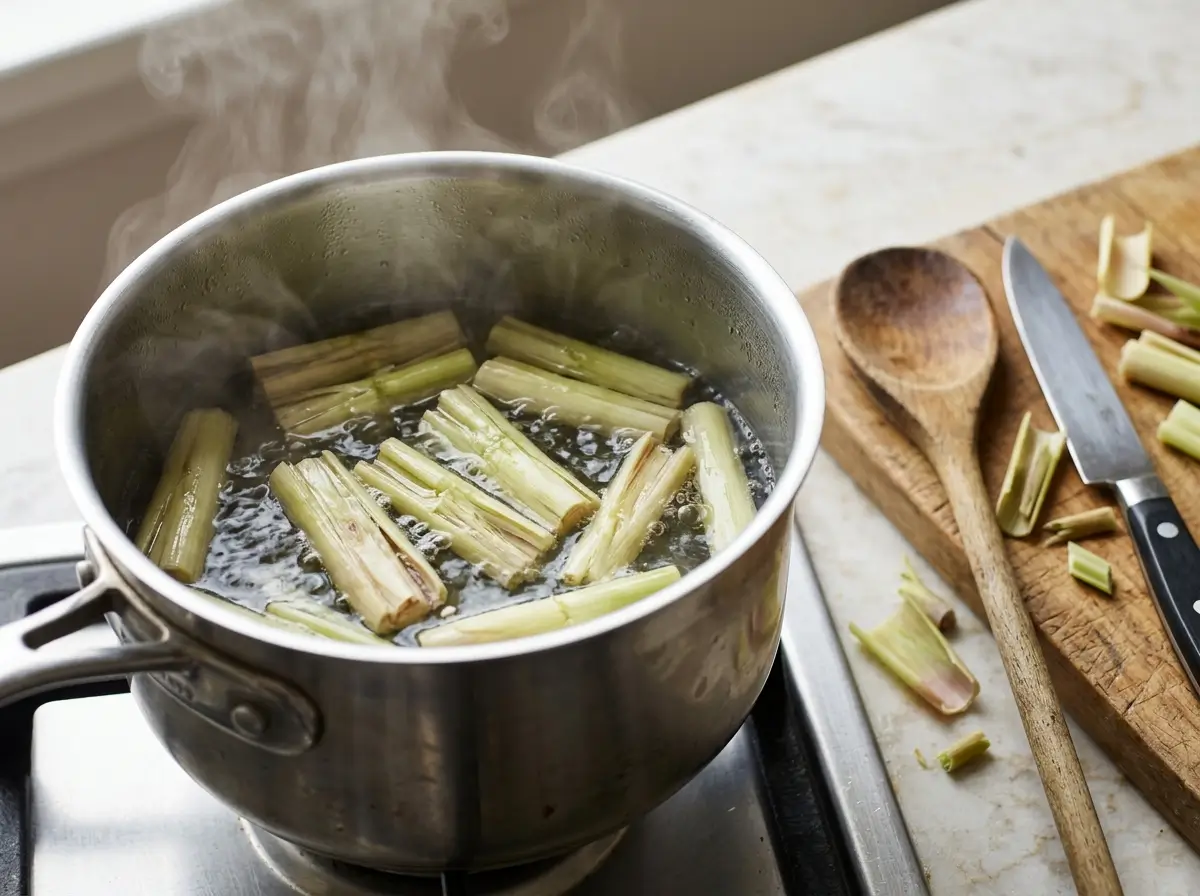
- Add the slices to 2 cups of water in a small pot and bring it to a gentle simmer for about 10 minutes (my method, not a medical standard).
- Strain into a mug. Add honey or a squeeze of lemon if you like.
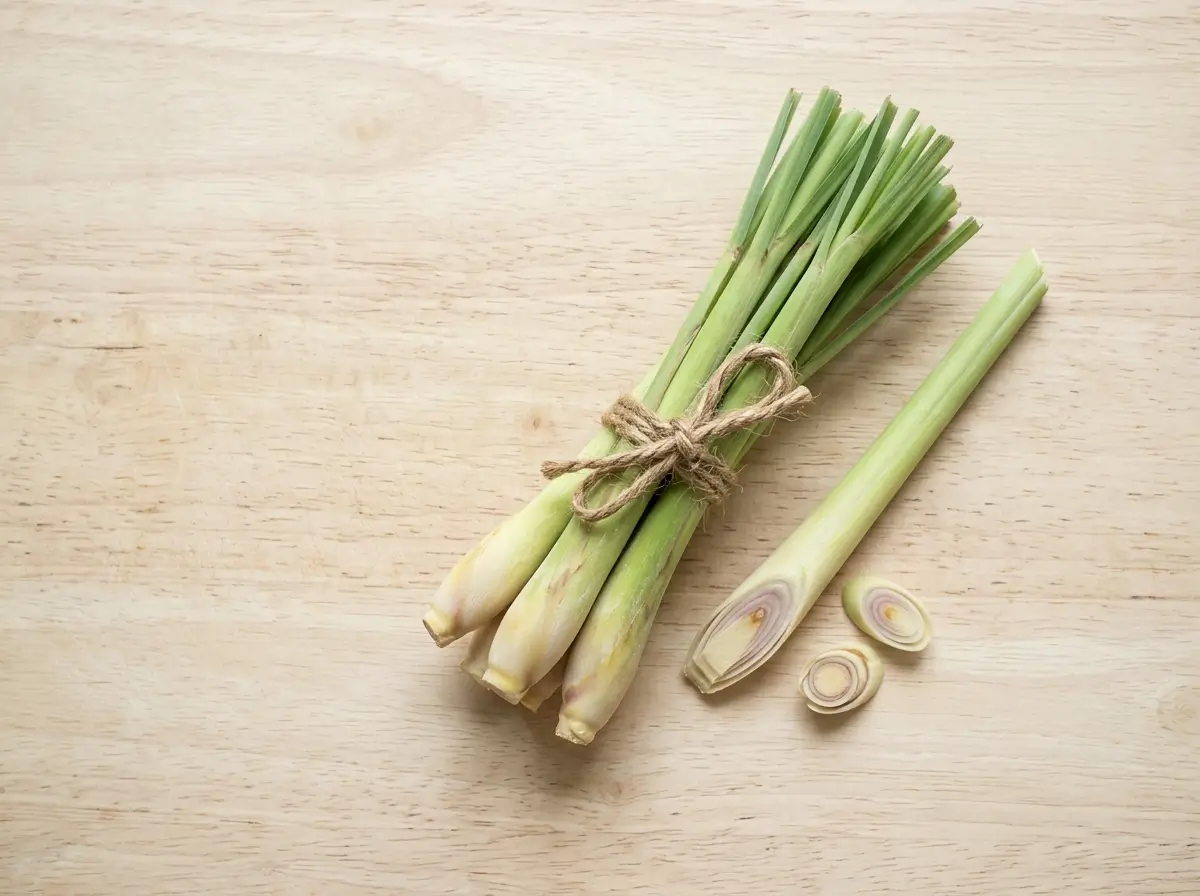
With dried lemongrass, use the Healthline ratio above and steep it like any loose herbal tea. For the prep steps, including which part of the stalk to use, see how to use lemongrass. If you grow or buy more than you need, our guide to storing and freezing lemongrass keeps it from going to waste, and you can build your own mixes with herbal tea blends at home.
No stalks at the store? Our guide to a lemongrass substitute covers what to use instead.
Is Lemongrass Tea Safe? Side Effects and Who Should Avoid It
Healthline describes lemongrass as generally considered safe in food amounts, including typical tea amounts. Possible side effects include dizziness, increased hunger, dry mouth, increased urination, and tiredness. Memorial Sloan Kettering also lists drowsiness and notes that excessive tea may affect kidney function.
- Pregnancy: Healthline says to avoid it if you are pregnant, and Memorial Sloan Kettering notes that high doses of compounds from lemongrass caused birth defects in rats and that avoiding it in pregnancy may be advisable.
- Diuretics, low heart rate, or low potassium: Healthline advises avoiding it in these situations.
- Skin and allergies: contact dermatitis has been reported, mostly with essential oil on the skin. Stop drinking it and seek care if you notice a rash, itching, or trouble breathing.
- Quality: herbal teas are not well regulated, so buy from reputable sources.
Do not use lemongrass essential oil as a drink. Memorial Sloan Kettering notes that high-dose essential oil can damage the liver and stomach lining.
Lemongrass Tea FAQ
What is lemongrass tea good for?
It is traditionally used for digestion, sleep, and general wellness, but human evidence is limited. Healthline says more human research is needed, and Memorial Sloan Kettering says clinical studies did not show an effect on anxiety. Enjoy it mainly for its flavor.
Does lemongrass tea have caffeine?
No. It is made from a grass, not from tea leaves, so it does not naturally contain the caffeine found in black or green tea.
How much lemongrass tea can I drink a day?
There is no official dose. Healthline suggests starting with one cup a day. Memorial Sloan Kettering notes that excessive tea may affect kidney function, so keep it moderate.
Can I drink lemongrass tea while pregnant?
Healthline advises avoiding it during pregnancy, and Memorial Sloan Kettering says avoiding it may be advisable. Ask your healthcare provider first.
Can I use dried lemongrass for tea?
Yes. Healthline’s method uses 1 to 3 teaspoons of fresh or dried lemongrass per cup of boiling water, steeped for at least 5 minutes.
Sources
- Memorial Sloan Kettering Cancer Center: Lemongrass (last updated November 2022)
- Healthline: 10 Potential Health Benefits of Lemongrass Tea (medically reviewed, updated October 2024)
Lemongrass tea fits easily into a simple routine, and our realistic wellness routine shows how to build one.
Bottom Line
Lemongrass tea is a pleasant, caffeine-free herbal drink, and a good one to make from fresh stalks. The health claims around it are mostly traditional or based on lab and animal studies, so enjoy it for the flavor, keep it to a cup or two, and skip it or ask a healthcare provider first if you are pregnant, take diuretics, or have a heart or potassium issue.