
This article is for informational purposes only and does not constitute medical advice. The information shared here is not designed to treat, prevent, or cure any condition. If you are pregnant, breastfeeding, taking medication, or managing a health condition, speak with a licensed healthcare provider before changing your diet.
Benefits of chia seeds go far beyond the tiny size of these ancient seeds. Packed with fiber, omega-3 fatty acids, plant-based protein, and essential minerals, chia seeds have earned their spot as one of the most nutrient-dense foods you can add to your kitchen.
Unlike a lot of wellness trends, chia seeds actually have real science behind them. They have been studied for their role in supporting digestion, maintaining steady energy levels, and promoting heart health. And unlike supplements, they are a whole food you can add to almost anything you already eat.
In this guide, you will learn exactly what chia seeds contain, what they may do for your body based on current research, and how to use them every day. We will also clear up some of the exaggerated claims you may have seen online so you can make informed choices.
━━━━ QUICK ANSWER ━━━━
What are the main benefits of chia seeds? Chia seeds are a rich source of dietary fiber (10g per ounce), omega-3 fatty acids (ALA), complete plant-based protein, calcium, magnesium, and antioxidants. Research suggests they may support digestion, heart health, blood sugar balance, and feelings of fullness.
What Are Chia Seeds?
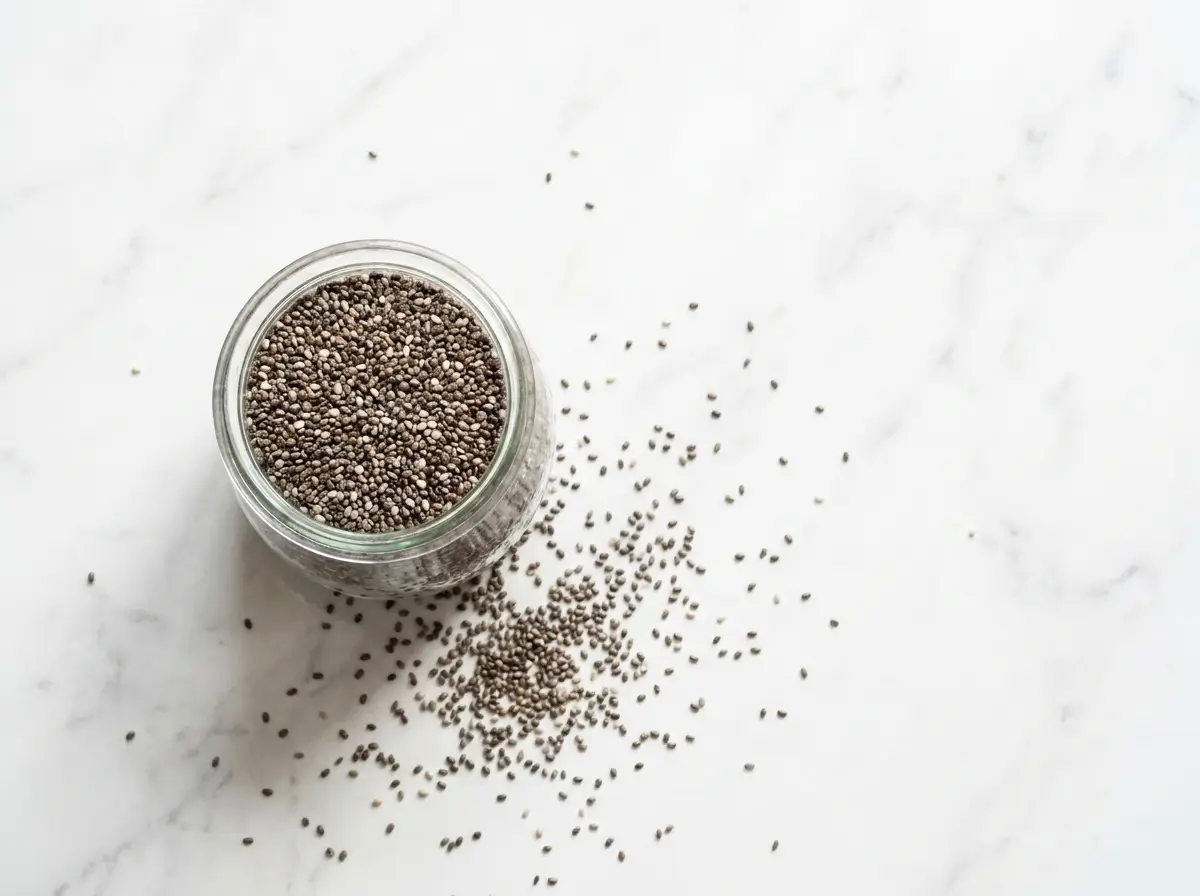
Chia seeds come from Salvia hispanica, a flowering plant native to central and southern Mexico and Guatemala. They were a staple of Aztec and Mayan diets for centuries, valued for their ability to sustain energy during long journeys and physical work.
Today, chia seeds are grown across North and South America, Australia, and other warm climates. They are small, oval-shaped, and come in black, white, or gray varieties. Nutritionally, the color does not make a difference — all varieties contain the same profile of nutrients.
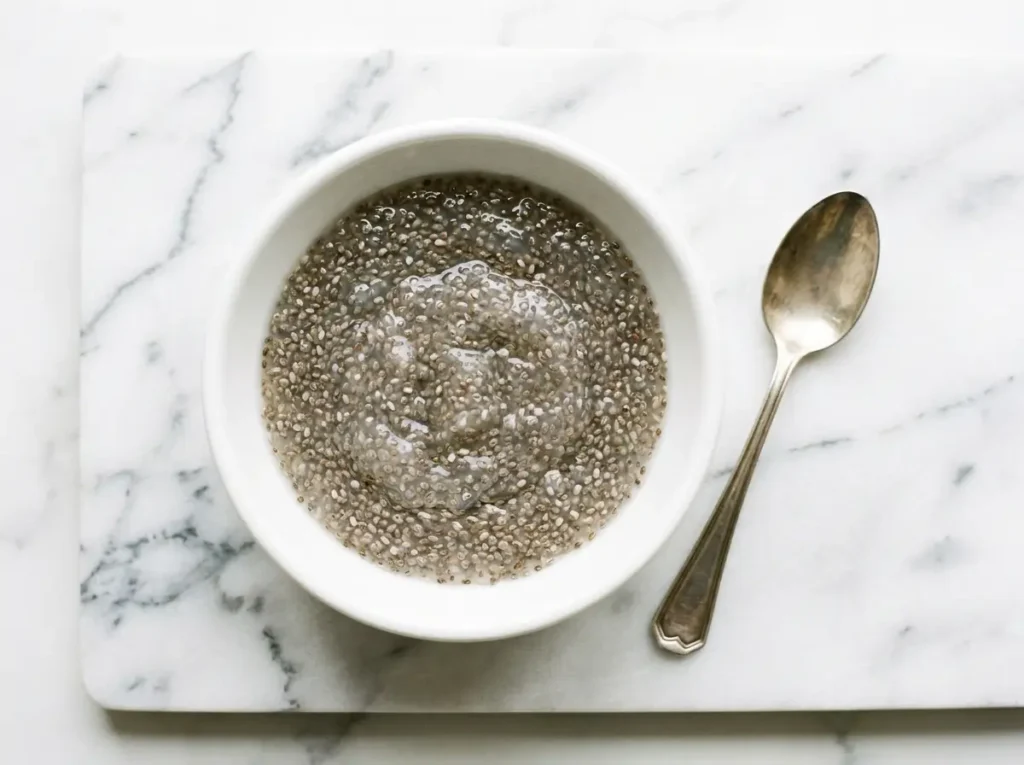
One of their most distinctive properties is their ability to absorb liquid. When soaked, chia seeds can absorb up to 12 times their weight in water, forming a thick, gel-like coating made of soluble fiber. This is the same gel you see in chia seed water and chia pudding.
See also: If you are curious about the hydration benefits of adding chia to your drinks, check out our complete guide to chia seed water benefits — it covers the soaking ratios, timing, and what the research actually says about hydration.
Chia Seeds Nutrition Facts
To understand the benefits of chia seeds, it helps to start with their nutritional profile. According to the USDA National Nutrient Database, one ounce (about 28 grams, or roughly 2.5 tablespoons) of dry chia seeds contains the following:
━━━━ NUTRITION TABLE ━━━━
| Nutrient | Amount (1 oz / 28g) | % Daily Value | Key Role |
| Fiber | 10g | 36% | Digestion & satiety |
| Protein | 5g | 10% | Muscle & repair |
| Omega-3 (ALA) | 5g | — | Heart & inflammation |
| Calcium | 179mg | 14% | Bone strength |
| Magnesium | 95mg | 23% | Sleep & metabolism |
| Phosphorus | 244mg | 19% | Energy production |
| Iron | 2.2mg | 12% | Oxygen transport |
| Zinc | 1mg | 9% | Immune support |
Source: USDA FoodData Central (chia seeds, dried) — fdc.nal.usda.gov
━━━━ CALORIES PER SERVING ━━━━
| Serving Size | Calories | Protein / Fiber |
| 1 tsp (5g) | 25 kcal | 1g / 2g |
| 1 tbsp (12g) | 58 kcal | 2g / 4g |
| 1 oz (28g) | 138 kcal | 5g / 10g |
| 100g | 486 kcal | 17g / 34g |
One important note: chia seeds are calorie-dense for their size. Two tablespoons deliver around 138 calories. That is not a bad thing — those calories come with significant nutritional value — but it is worth knowing when you are tracking intake.
8 Evidence-Based Benefits of Chia Seeds
1. High Fiber Content Supports Digestive Health
One ounce of chia seeds delivers 10 grams of dietary fiber, which covers roughly 36% of the recommended daily value for most adults. That single serving provides more fiber than a bowl of oatmeal.
Chia seeds contain both soluble and insoluble fiber. The soluble fiber forms the gel that slows digestion, which can help regulate bowel movements and feed the beneficial bacteria in your gut microbiome. The insoluble fiber adds bulk and promotes regularity.
A 2015 study published in the Journal of Food Science and Technology found that chia seed supplementation positively influenced gut microbiota composition in animal models. While human studies are ongoing, the fiber content alone provides a well-established pathway for digestive support.
Related: Our chia seed pudding recipe is one of the simplest ways to get this fiber at breakfast without any prep effort the morning of.
2. Rich in Omega-3 Fatty Acids (ALA)
Chia seeds are one of the richest plant-based sources of alpha-linolenic acid (ALA), a type of omega-3 fatty acid. One ounce provides about 5 grams of ALA — more than most fish oil supplements.
ALA is considered essential because the human body cannot produce it on its own. The body converts a small percentage of ALA into EPA and DHA (the omega-3 types found in fatty fish), though the conversion rate is limited.
Research from Harvard Health Publishing notes that ALA may support cardiovascular health by helping reduce levels of LDL cholesterol and triglycerides. For people who do not eat fish, chia seeds are one of the most accessible plant-based ways to include omega-3s in their diet.
3. Provide Complete Plant-Based Protein
Chia seeds contain all nine essential amino acids, making them a complete protein — which is rare for plant foods. Most plant proteins (like beans or grains) are missing one or more essential amino acids and need to be combined with other foods.
With about 5 grams of protein per ounce, chia seeds are not a high-protein food in the way that chicken or Greek yogurt are. But as a topping, mix-in, or pudding base, they add a meaningful protein contribution to meals that might otherwise be low in protein.
4. Support Heart Health
Multiple nutrients in chia seeds contribute to cardiovascular support. The fiber helps bind cholesterol in the digestive tract and remove it from the body. The ALA omega-3s are associated with lower inflammatory markers. Magnesium and potassium support normal blood pressure regulation.
A small 2014 clinical study published in Nutrition Research found that daily chia seed consumption reduced systolic blood pressure in participants with hypertension after 12 weeks. Results were modest but statistically significant, and the study noted no adverse effects.
It is important to note that chia seeds are not a replacement for prescribed medication or medical care. They may support heart health as part of an overall balanced diet, not as a standalone treatment.
5. Help with Blood Sugar Balance
The soluble fiber in chia seeds slows the absorption of carbohydrates into the bloodstream, which can contribute to more stable blood sugar levels after meals. This is sometimes called the glycemic effect of fiber.
A review published in the European Journal of Clinical Nutrition analyzed several studies on chia seeds and blood glucose response. The researchers found that chia seed consumption was associated with a reduced postprandial (after-meal) glucose spike in several study designs, particularly when chia was added to refined carbohydrate meals like white bread.
This does not mean chia seeds treat or manage diabetes. It means they may contribute to blood sugar stability as part of a fiber-rich diet — a distinction worth maintaining for YMYL accuracy.
6. Support Feelings of Fullness
When chia seeds absorb liquid in your stomach, they expand and slow gastric emptying — the process by which food moves from the stomach to the small intestine. This physical effect can prolong the sensation of fullness after eating.
This is one reason chia seeds are often included in weight management conversations. The feeling of fullness may help some people eat less at subsequent meals. However, controlled long-term studies on chia seeds and weight loss show modest and inconsistent results, so it is more accurate to describe this as a potential satiety benefit rather than a weight loss guarantee.
7. Strong Source of Calcium for Bone Health
One ounce of chia seeds provides about 179mg of calcium — roughly 14% of the recommended daily value. For context, that is comparable to the calcium in half a cup of milk.
Chia seeds also contain phosphorus, magnesium, and protein, all of which play roles in bone mineral density. For people who avoid dairy, chia seeds are a genuinely useful dietary source of calcium alongside leafy greens, fortified plant milks, and legumes.
8. Loaded with Antioxidants
Chia seeds contain chlorogenic acid, caffeic acid, myricetin, quercetin, and kaempferol — all antioxidant compounds that help neutralize free radicals in the body. Antioxidants are linked to reduced cellular oxidative stress, which is implicated in aging and chronic disease risk.
The antioxidant content of chia seeds is also why they do not go rancid quickly despite their high fat content. The natural antioxidants protect the oils within the seed during storage.
What Chia Seeds Are Not
Because wellness content online frequently overstates the benefits of chia seeds, it is worth being honest about what the current research does and does not support.
- Chia seeds do not melt belly fat. No food does. They can be part of a balanced diet that supports weight management, but they do not target fat stores.
- Chia seeds are not a cure or treatment for any disease. They are a nutritious whole food, not medicine.
- The omega-3 ALA in chia seeds is not the same as EPA or DHA found in fatty fish. The body converts only a small fraction of ALA into these forms.
- Chia seeds alone will not fix digestive problems. They contribute to gut health as part of a fiber-rich, diverse diet.
How to Use Chia Seeds Every Day
The practical value of chia seeds is how easily they fit into foods you already eat. They have almost no taste on their own, so they do not compete with other flavors.
Soaked (Gel Form)
Soaking chia seeds for at least 20 minutes — or overnight — develops the gel texture. This form is easiest for the body to absorb and is the basis for chia puddings and chia water.
Our how to make chia seed water guide walks through the exact ratio, soaking time, and best add-ins to make the drink taste good.
Dry (Sprinkled)
You can sprinkle dry chia seeds onto oatmeal, yogurt, salad, or avocado toast. They add a slight crunch and mild nutty texture. Make sure to drink enough water throughout the day when consuming chia seeds dry.
Ground
Ground chia seeds are easier to incorporate into smoothies, baked goods, and sauces without changing texture. You can grind them in a coffee grinder or buy pre-ground chia. Note that ground seeds may not gel as effectively when added to liquids.
In Recipes
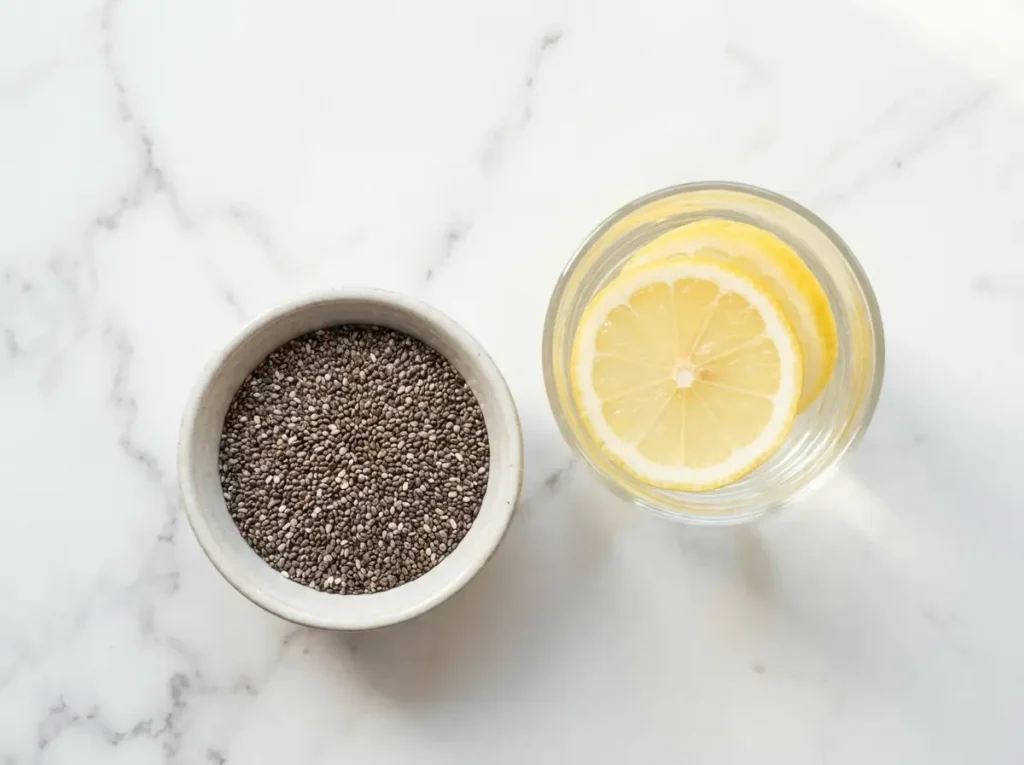
One of our favorite applications is the lemon chia seed water recipe — a simple, refreshing drink that combines the benefits of chia with the cleansing flavor of fresh lemon. It takes about 5 minutes to make and works well as a morning or mid-afternoon drink.
How Much Chia Seeds Per Day?
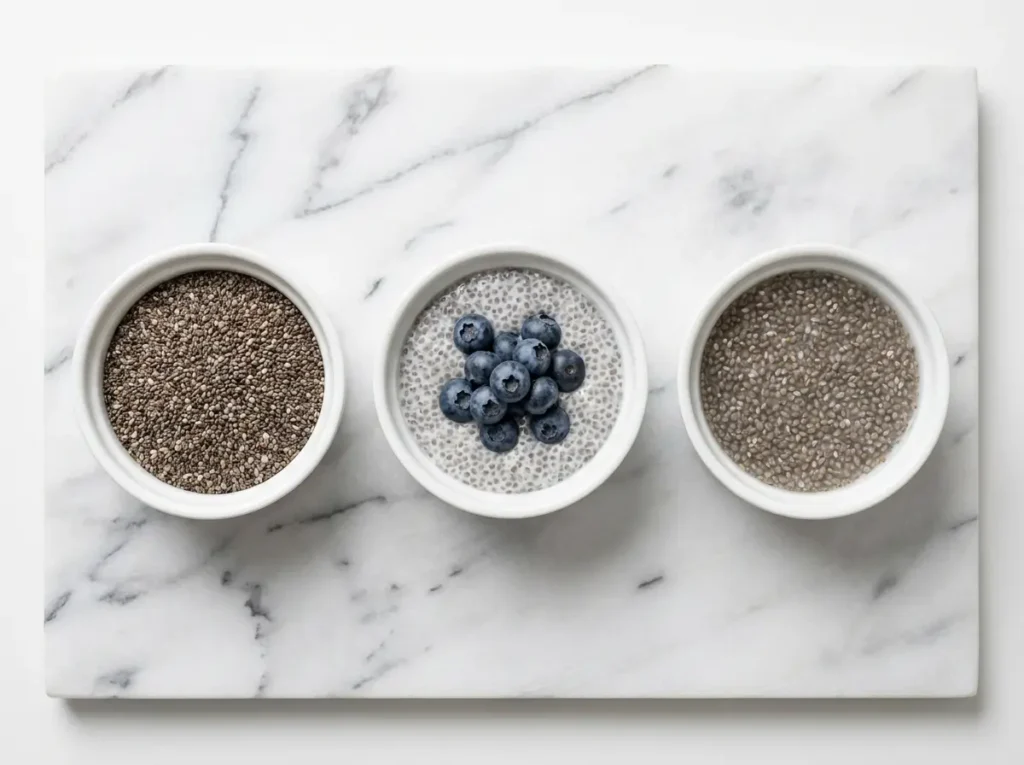
Most nutrition experts and published studies use 1 to 2 tablespoons (approximately 15 to 30 grams) per day as the standard serving. This delivers meaningful fiber, omega-3s, and minerals without overdoing calories.
If you are new to chia seeds, start with 1 teaspoon per day and gradually increase. Adding too much fiber too quickly can cause temporary bloating or digestive discomfort until your gut adjusts.
Always drink adequate water throughout the day when consuming chia seeds — particularly if eating them dry. Their ability to absorb liquid extends into your digestive system as well.
Are Chia Seeds Safe?
For most healthy adults, chia seeds are safe when consumed in reasonable amounts as part of a balanced diet. They are generally well-tolerated and have no known toxicity at typical dietary doses.
However, a few groups should use caution and consult a healthcare provider first:
- People taking blood pressure medication, as chia seeds may have a modest additive effect on blood pressure.
- People taking blood thinners, since the omega-3 content may interact with anticoagulant therapy.
- People with swallowing difficulties, as dry chia seeds can expand rapidly in the esophagus if not chewed and washed down with liquid.
- People with known allergies to mint family plants (Salvia hispanica belongs to the mint family).
If you have any existing health condition, always speak with your doctor before making significant dietary changes.
Frequently Asked Questions
What are the benefits of eating chia seeds daily?
Daily chia seed consumption (1 to 2 tablespoons) can contribute to your fiber intake, provide plant-based omega-3 fatty acids, support feelings of fullness, and deliver calcium, magnesium, and protein. The effects build over time as part of a consistently balanced diet.
Are chia seeds good for weight loss?
Chia seeds may support weight management indirectly by promoting feelings of fullness due to their high fiber and water-absorbing properties. However, research on chia seeds and direct weight loss is limited and results are mixed. They work best as part of an overall healthy eating pattern, not as a standalone solution.
Do chia seeds have more omega-3 than fish?
Chia seeds contain more ALA omega-3 per serving than most fish. However, the type of omega-3 matters. Fish provides EPA and DHA, which the body uses directly for inflammation and brain function. Chia seeds provide ALA, which the body must convert — and conversion rates are low (typically 5 to 10%). Both are valuable, but they are not interchangeable.
Can I eat chia seeds without soaking them?
Yes. Dry chia seeds are safe to eat when chewed thoroughly and consumed with adequate liquid. However, soaked chia seeds may be easier for the body to digest and better deliver the fiber benefits. For people with swallowing difficulties, dry seeds should always be consumed cautiously.
Are chia seeds good for gut health?
Yes, chia seeds can support gut health through their high fiber content, which feeds beneficial gut bacteria and promotes regular bowel movements. Their soluble fiber acts as a prebiotic, helping to nourish the microbiome over time.
How many chia seeds should I eat per day?
A daily intake of 1 to 2 tablespoons (15 to 30 grams) is the range used in most research. If you are new to chia seeds, starting with 1 teaspoon and increasing gradually is the safest approach to avoid temporary digestive discomfort.
Sources
This article cites the following high-authority sources:
- USDA FoodData Central – Chia seeds, dried
- Vuksan V, et al. (2014) – Reduction in postprandial glucose excursion and prolongation of satiety (PubMed)
- Peiretti PG, et al. (2012) – Chia seed: Nutritional properties
- Harvard T.H. Chan School of Public Health – The Nutrition Source: Chia Seeds
- Mayo Clinic – Nutrition and healthy eating: Dietary Fiber
The benefits of chia seeds are real, well-documented, and accessible. You do not need to overhaul your diet to take advantage of them — a tablespoon stirred into your morning yogurt or afternoon water is enough to make a difference over time. Start small, stay consistent, and let the fiber and nutrients do their work.
Hannah is the voice behind Jello and Wellness — a site dedicated to practical, science-based wellness eating for real life. She believes good nutrition should be simple, flexible, and free of hype. All recommendations on this site are grounded in published research and common sense.