
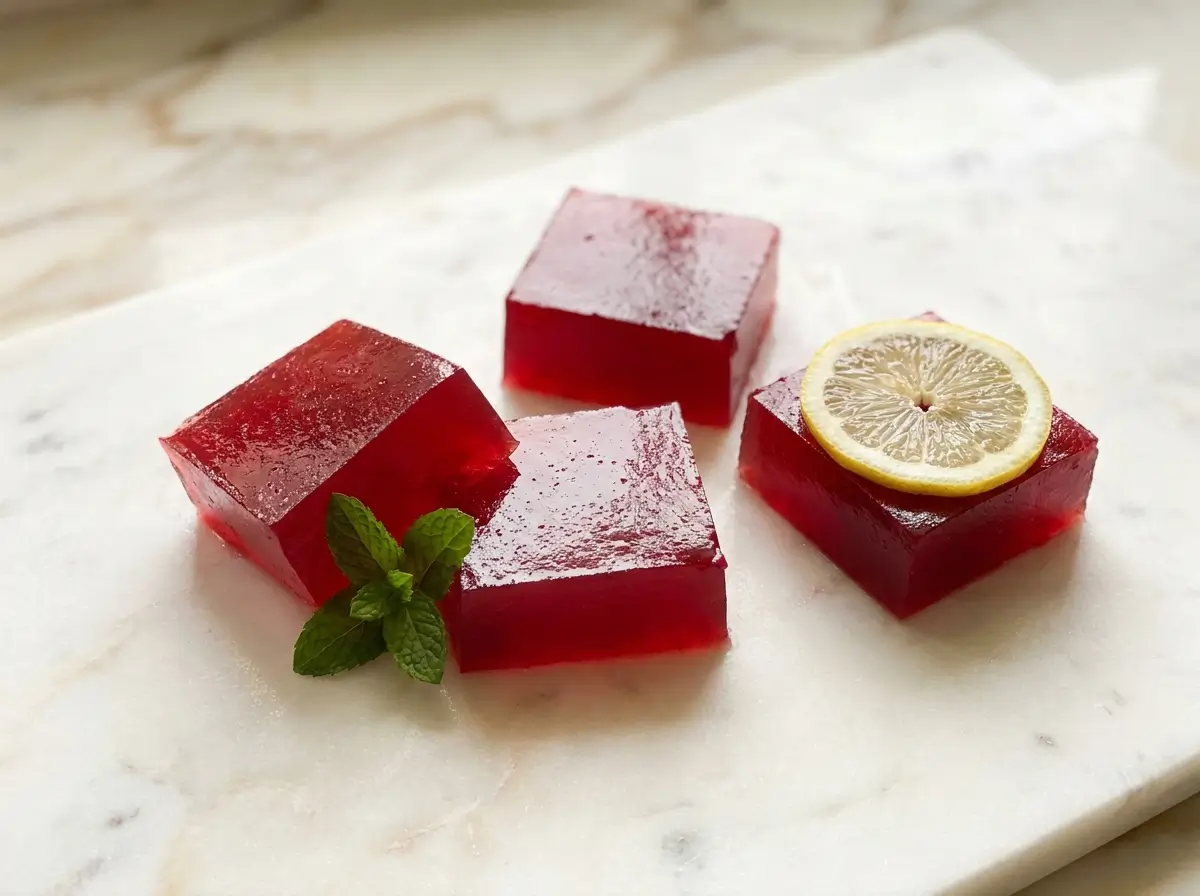
Recipe for gelatin weight loss — if you’ve been searching for a snack that’s low in calories, high in protein, and genuinely satisfying, you’ve found it. This isn’t a fad. Gelatin has been quietly used as a diet-friendly food for decades, and once you taste this recipe, you’ll understand why so many people keep coming back to it.
What makes this recipe different is the balance: it’s sweet enough to kill cravings, light enough to fit into any eating plan, and packed with natural collagen protein that actually feeds your body while you lose weight. No crash, no guilt — just a simple, refreshing treat that works for you.
Disclaimer: This article is for informational purposes only and does not constitute medical advice. The recipes and ideas shared here are not designed to treat, prevent or cure any condition. If you are pregnant, breastfeeding, taking medication, or managing a health condition, speak with a licensed healthcare provider before changing your diet.
What Is Gelatin and Why Does It Help With Weight Loss?
Gelatin is derived from collagen, the most abundant protein in the human body. When collagen-rich animal connective tissue is processed with heat, it breaks down into gelatin — a near-flavorless, protein-dense ingredient that dissolves in warm water and sets into a satisfying, wobbly texture.
From a weight-loss standpoint, gelatin checks several boxes:
- High protein, very low fat — one tablespoon of unflavored gelatin provides about 6 grams of protein with fewer than 25 calories.
- It slows gastric emptying, meaning food stays in your stomach longer and you feel fuller for more time between meals.
- Some people find it supports digestive comfort, though the evidence on gut lining specifically is still limited.
- It contains glycine, an amino acid that plays a role in supporting healthy metabolism.
If you’re curious about what the science actually says beyond just the recipe, our in-depth article on gelatin for weight loss breaks down the research behind why this ingredient has become a staple in so many wellness routines.
Ingredients for the Gelatin Weight Loss Recipe
This recipe uses clean, pantry-friendly ingredients. It serves 4 and takes about 10 minutes to prepare plus 2 hours to set.
- 2 tablespoons unflavored gelatin powder (Knox or any grass-fed brand)
- 2 cups 100% tart cherry juice (or pomegranate, grape, or cranberry — no added sugar)
- 1 cup cold water
- 1/2 cup warm water (for dissolving the gelatin)
- 2 tablespoons fresh lemon juice
- 1 tablespoon raw honey (optional, adjust to taste)
- 1/4 teaspoon ground ginger (optional, supports digestion)
For a higher-protein version, you can add 1 scoop of unflavored collagen peptides in addition to the gelatin — this bumps up the protein content without changing the flavor or texture.
How to Make Gelatin for Weight Loss (Step-by-Step)
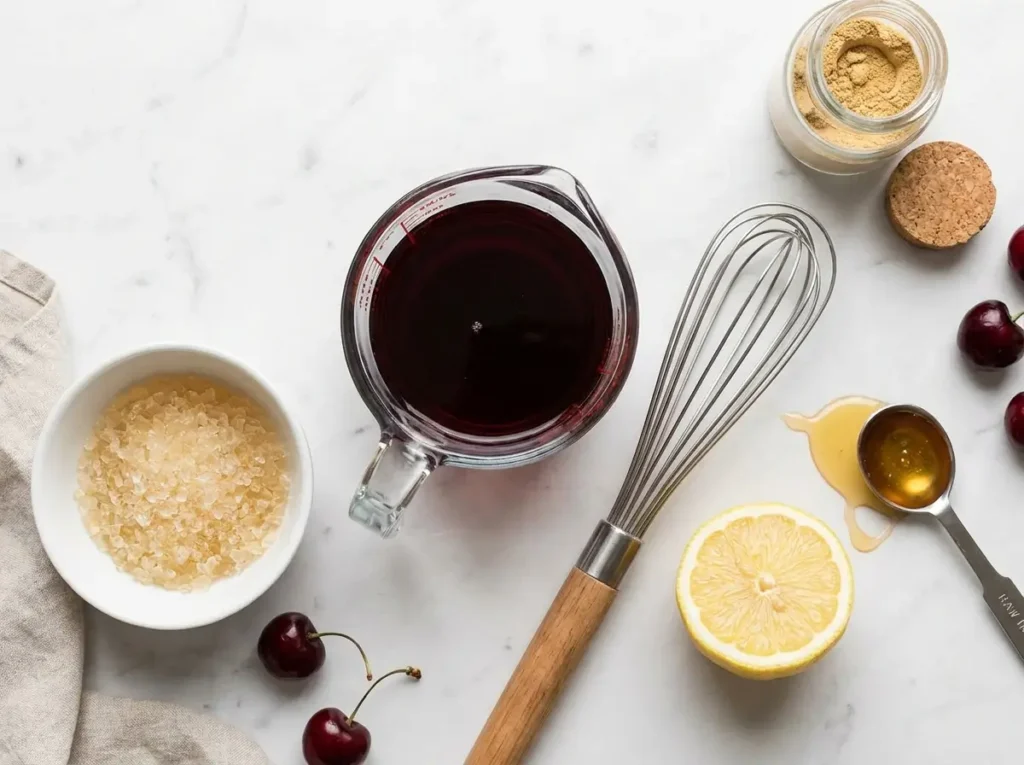
- Pour 1/2 cup warm water into a medium bowl. Sprinkle the gelatin over the warm water and let it bloom (absorb the water) for 2 minutes. Do not stir yet.
- In a small saucepan, warm the tart cherry juice over low heat until just steaming — do not boil. Remove from heat.
- Pour the warm juice over the bloomed gelatin and whisk gently until the gelatin is fully dissolved and no lumps remain. This takes about 60 seconds.
- Add the cold water, fresh lemon juice, honey, and ginger (if using). Stir to combine.
- Pour the mixture into a glass dish, individual silicone molds, or small cups. Let cool at room temperature for 10 minutes.
- Refrigerate for at least 2 hours, or until fully set.
- Cut into cubes or unmold and serve cold. Store covered in the fridge for up to 5 days.
Pro tip: the colder your refrigerator, the firmer your gelatin. If you prefer a softer, spoonable texture, use only 1.5 tablespoons of gelatin instead of 2.
Nutrition Information (Per Serving)
Based on 4 servings with tart cherry juice and raw honey:
| Nutrient | Per Serving |
| Calories | ~75 kcal |
| Protein | 6–7 g |
| Carbohydrates | 12 g |
| Fat | 0 g |
| Sugar | 9 g (natural) |
| Sodium | 10 mg |
This makes it one of the most calorie-efficient high-protein snacks you can prepare at home — and far more satisfying than a diet cracker or rice cake.
Flavor Variations to Try
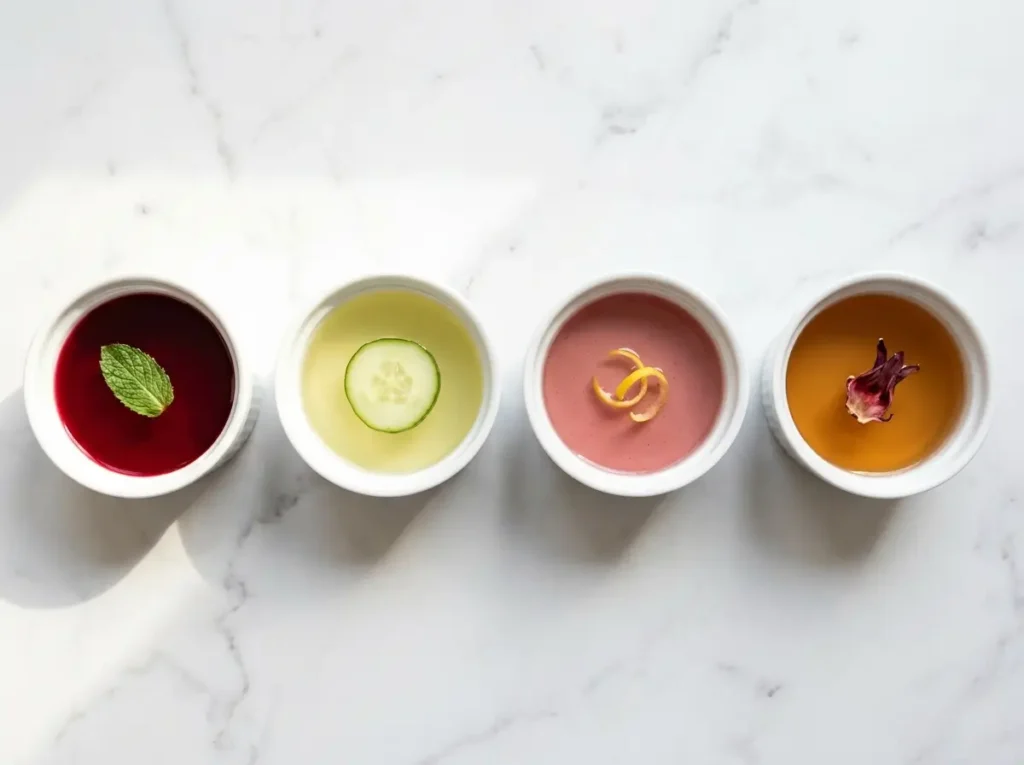
This base recipe is versatile. Here are four variations worth trying depending on your taste preferences and wellness goals:
1. Lemon Ginger Gelatin
Replace the cherry juice with fresh-squeezed lemon juice diluted in water (1 part lemon, 3 parts water). Add 1/2 teaspoon fresh grated ginger and a pinch of turmeric. This version is particularly popular as a morning refresher.
2. Berry Collagen Gelatin
Use mixed berry juice (no added sugar) and stir in 1 scoop unflavored collagen peptides with the warm juice. The result is a deeply purple, antioxidant-rich gelatin snack with close to 12 grams of protein per serving.
3. Cucumber Mint Gelatin
Blend 2 cups of cucumber water (blend and strain) with fresh mint leaves and a squeeze of lime. This lighter version has almost zero sugar and works beautifully as a midday snack during a low-carb eating plan.
4. Apple Cider Vinegar Gelatin
Add 1 tablespoon of raw, unfiltered apple cider vinegar to the base recipe. It sounds unusual, but the tartness rounds out nicely once chilled. ACV has its own metabolism-supporting reputation, making this a popular combo in wellness communities.
If you’re following a post-surgery eating plan, our article on the bariatric gelatin recipe is tailored specifically for soft food and purée stages with higher protein requirements.
How to Incorporate This Recipe Into a Weight Loss Routine
Gelatin alone won’t cause weight loss, but using it strategically within a balanced eating plan can make a real difference. Here’s how to fit it in:
- Replace a sugary afternoon snack with a serving of this gelatin recipe. You save 150–300 calories compared to most packaged snacks while still getting protein.
- Have a serving 30 minutes before a meal as an appetite suppressant. The protein and bulk will reduce how much you eat at the meal itself.
- Use it as a post-workout snack. Some people use gelatin to support joint comfort, and it provides a light protein hit after low-intensity exercise like walking or yoga.
- Prep a large batch on Sunday and store in individual cups for a full week of grab-and-go snacks.
Many people who follow intermittent fasting use a small serving of plain gelatin (just gelatin dissolved in hot water) to help manage hunger during fasting windows — though you should confirm with your healthcare provider whether this fits your specific fasting protocol.
Choosing the Right Gelatin: A Comparison
Not all gelatin products are created equal. The source and processing method affect both the nutritional profile and the environmental impact. This table summarizes the main options available in the US market.
| Type | Protein per tbsp | Best For |
| Knox Unflavored | 6 g | Everyday use, budget-friendly |
| Vital Proteins Collagen | 9 g | Higher protein boost |
| Great Lakes Grass-Fed | 6 g | Quality-conscious buyers |
| Agar-agar (vegan) | 0 g | Plant-based alternative — no protein benefit |
If weight loss and protein are your main priorities, Knox or Great Lakes grass-fed gelatin are the most practical choices. Collagen peptides (like Vital Proteins) dissolve in cold liquids and don’t gel — great for smoothies but not for this recipe.
Can You Eat Gelatin Every Day for Weight Loss?
Yes — and many people do. Gelatin is a food, not a supplement, which means it doesn’t carry the risk of overconsumption the way synthetic protein powders might. That said, there are a few things to keep in mind:
- Variety matters. Don’t replace all your protein with gelatin. It’s not a complete protein (it lacks tryptophan), so it should complement your diet, not dominate it.
- Watch what you mix it with. A gelatin recipe loaded with sugar or artificial flavoring doesn’t carry the same benefits. Keep additions minimal and natural.
- Hydration is key. Gelatin is partly made of water, but the protein inside requires adequate hydration to be processed efficiently by your kidneys. Drink plenty of water alongside your gelatin snacks.
If you want to build this into a daily habit, our gelatin water recipe walks through a simple version you can make every morning.
Common Mistakes to Avoid
Even a simple recipe like this can go wrong. Here are the most common issues and how to fix them:
Gelatin won’t dissolve
Always bloom the gelatin in room-temperature or warm water first — never cold. Cold water prevents proper hydration of the gelatin granules. If lumps appear, whisk more vigorously or strain through a fine mesh sieve.
Gelatin didn’t set
You likely used too little gelatin, didn’t refrigerate long enough, or used a liquid that interferes with setting. Fresh pineapple, kiwi, mango, papaya, and figs all contain enzymes (bromelain or ficin) that break down gelatin proteins before they can set. Use canned or cooked versions of these fruits if you want to include them.
Texture is rubbery
You used too much gelatin. Dial it back by 1/4 tablespoon next time. The ideal ratio for a soft-set snack is 1.5 tablespoons per 2 cups of liquid; for a firmer, sliceable texture, use 2 tablespoons.
Storing and Meal Prepping Your Gelatin Batches
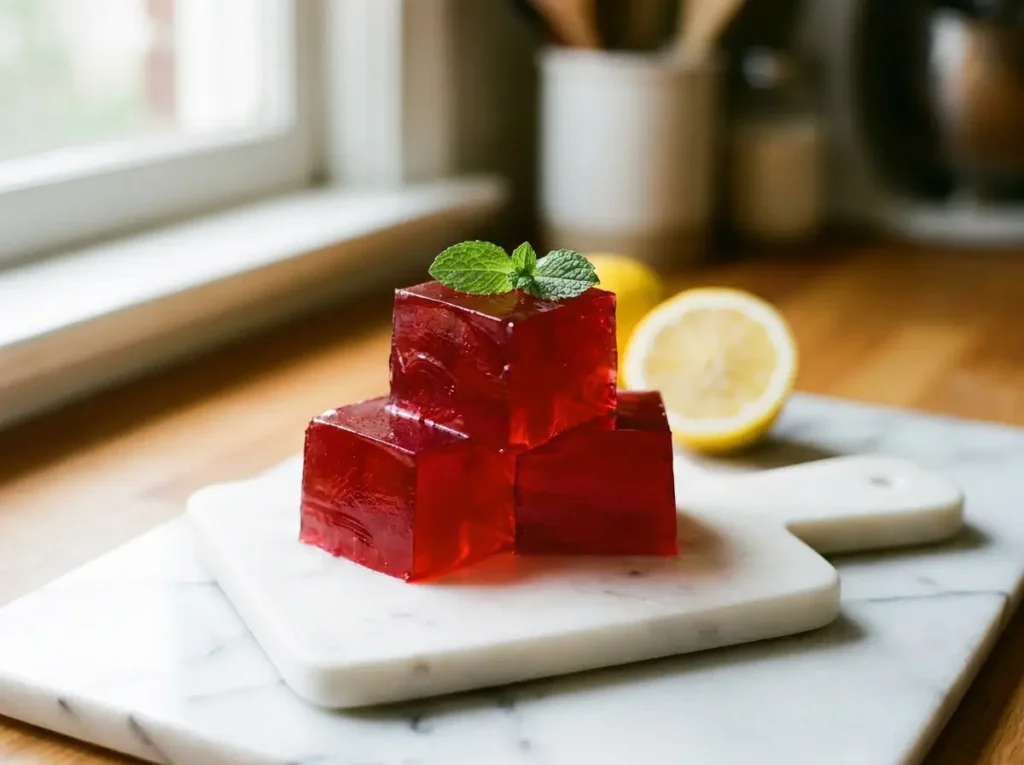
This recipe was designed with meal prep in mind. A double batch (8 servings) takes the same prep time as a single batch and keeps you stocked for the entire week.
- Store in airtight containers in the refrigerator for up to 5 days.
- Do not freeze — gelatin releases water when thawed and becomes grainy and unpleasant.
- For single-serve portions, use silicone ice cube trays or small glass jars with lids. This makes portion control effortless and the visual appeal is better.
If you’re batch prepping for a whole week of healthy eating, these portions work well alongside your other prepped meals.
For a detailed breakdown of exactly how much protein gelatin contains per serving and how it compares to other sources, see our article on gelatin protein content.
Sources & Further Reading
The information in this article is supported by the following peer-reviewed and institutional sources:
- Proksch E, et al. “Oral Supplementation of Specific Collagen Peptides Has Beneficial Effects on Human Skin Physiology.” Skin Pharmacology and Physiology, 2014. PubMed PMID: 24401291.
- Shaw G, et al. “Vitamin C–enriched gelatin supplementation before intermittent activity augments collagen synthesis.” American Journal of Clinical Nutrition, 2017. (National Institutes of Health — NIH)
- Harvard T.H. Chan School of Public Health — The Nutrition Source: Protein.
Frequently Asked Questions
How much gelatin should I eat per day?
There's no set amount required for weight loss specifically. The NIH notes that up to 10 grams of gelatin per day for up to six months appears safe for most healthy adults. One serving of this recipe (about 6–7 grams) fits comfortably within that range. Check with your healthcare provider before making it a daily habit.
Does gelatin help with belly fat specifically?
Gelatin doesn’t target belly fat directly — no food does. However, its appetite-suppressing effect, low calorie density, and gut-supporting properties make it a helpful addition to a caloric deficit eating plan, which is what ultimately leads to fat loss, including around the abdomen.
Can I make this recipe sugar-free?
Absolutely. Simply omit the honey and use an unsweetened juice like cucumber water, plain lemon water, or an unsweetened cranberry juice. The gelatin itself has no sugar, so the final product will be nearly calorie-free.
Is this recipe safe for people with dietary restrictions?
Gelatin is not vegan or vegetarian as it is derived from animal collagen. People with fish or shellfish allergies should note that some marine collagen products could cause a reaction — always read your product label. If you’re pregnant, nursing, or managing a chronic condition, check with your doctor before using gelatin as a dietary strategy.
What’s the difference between gelatin and collagen peptides for weight loss?
Both come from collagen. The key difference is that gelatin gels when cooled (perfect for this recipe), while collagen peptides stay liquid in any temperature. Both provide similar amino acid profiles, but gelatin’s ability to create a satiating, thick texture makes it more effective as a filling snack. For beverages, collagen peptides are more convenient.
Can I use flavored jello packets instead of plain gelatin?
You can, but standard flavored jello packets contain artificial dyes, sweeteners, and very little protein — a single packet provides only about 2 grams of protein compared to 6 grams in a tablespoon of unflavored gelatin. For weight-loss purposes, unflavored gelatin with natural juice is significantly more effective and nutritious.