

Gelatin for weight loss has been all over wellness feeds lately — from viral gelatin drinks to bariatric-friendly recipes that promise to keep you fuller, longer.
In this article, we break down exactly what gelatin is, what the science says about its effect on body weight, how it compares to other protein sources, and the safest way to add it to your daily routine — without the hype.
Medical Disclaimer: This article is for informational purposes only and does not constitute medical advice. The information shared here is not designed to treat, prevent, or cure any condition. If you are pregnant, breastfeeding, taking medication, or managing a health condition, speak with a licensed healthcare provider before making changes to your diet.
What Is Gelatin, Exactly?
Gelatin is a protein derived from the collagen found in animal bones, skin, and connective tissue. When collagen is processed with heat, it breaks down into gelatin — a flavorless, odorless powder that dissolves in warm water and sets into a gel when cooled.
It is made up almost entirely of amino acids, particularly glycine, proline, and hydroxyproline — the same building blocks that form collagen in the human body. This is what makes it interesting from a wellness perspective: it provides specific amino acids that are not abundant in most modern diets.
The Science Behind Gelatin and Weight Loss
Let’s be clear upfront: gelatin is not a weight loss drug, and no food can guarantee fat loss on its own. That said, several mechanisms make gelatin a genuinely useful addition to a calorie-conscious diet.
1. High Protein, Very Low Calorie
One tablespoon of plain gelatin powder contains roughly 6 grams of protein and only about 23 calories. That’s an exceptionally favorable protein-to-calorie ratio. Research consistently shows that higher protein intake supports satiety — meaning you feel fuller for longer — which can naturally reduce overall calorie intake.
A study published in the journal Appetite found that gelatin was significantly more satiating than casein (a protein found in milk) when consumed before a meal, leading participants to eat fewer calories at lunch. (Source: Veldhorst et al., Appetite, 2009)
2. Glycine and Metabolic Support
Gelatin is exceptionally rich in glycine, an amino acid that plays a role in regulating blood sugar levels and supporting liver function. While the direct evidence linking glycine to weight loss in humans is still emerging, animal studies have shown that glycine supplementation can reduce fat accumulation and improve insulin sensitivity.
A 2016 review in Frontiers in Bioscience noted that glycine may support metabolic health in ways that could indirectly benefit people managing their weight. (Source: NIH / PubMed: PMID 26709500)
3. Gut Health and Digestive Comfort
Gelatin has long been used as a gut-soothing food. The amino acids in gelatin — particularly glycine and glutamine — are thought to support the integrity of the intestinal lining. A healthy gut environment is increasingly linked to better metabolic health and weight regulation, though this is an evolving area of research.
4. No Fat, No Sugar, No Carbs
Plain, unflavored gelatin contains virtually no fat, no sugar, and no carbohydrates. This makes it compatible with a wide range of dietary approaches — from low-carb and keto to bariatric post-op diets and general calorie-reduction plans.
Gelatin vs. Other Protein Sources
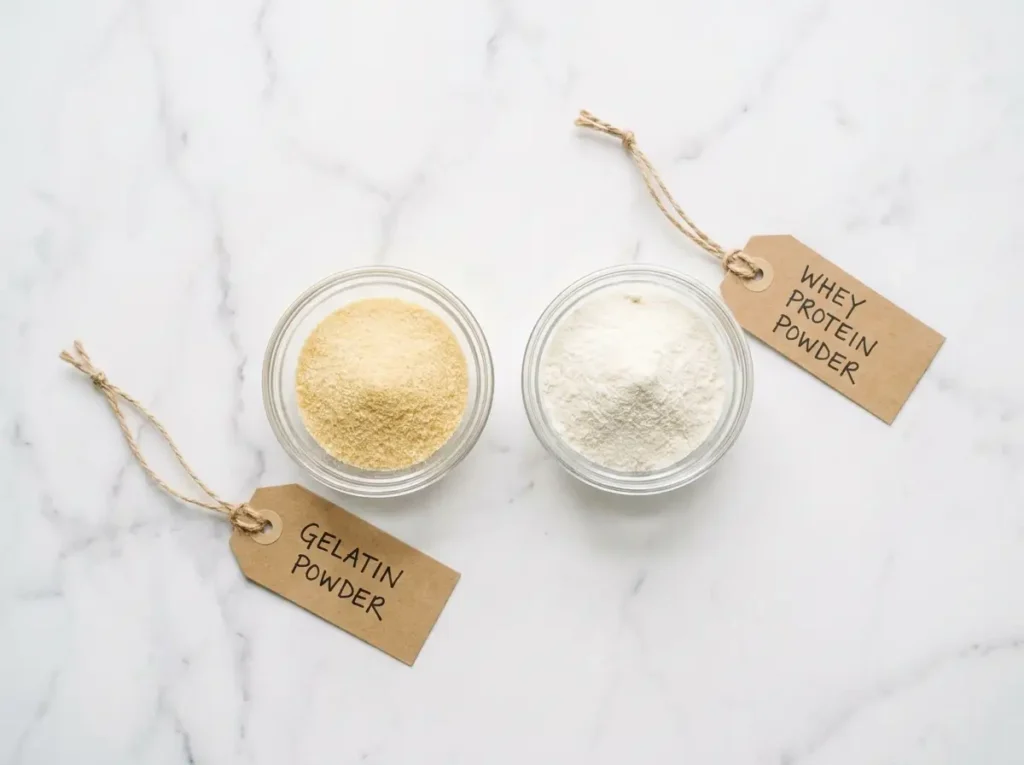
Gelatin is not a complete protein — it lacks the essential amino acid tryptophan. This means it should complement, not replace, other high-quality protein sources in your diet. Here’s how it stacks up:
| Factor | Gelatin | Whey Protein Powder |
| Protein per serving | ~6g (1 tbsp) | ~25g (1 scoop) |
| Calories | ~23 kcal | ~120 kcal |
| Collagen content | ✓ High (native source) | ✗ None |
| Satiety effect | Moderate | High |
| Gut health benefit | Emerging evidence (glycine) | Limited |
| Dairy-free | ✓ Yes | ✗ No (unless plant-based) |
| Price per serving | $0.10–$0.20 | $1.00–$2.50 |
| Best used for | Low-cal protein boost, gut health, joint support | Post-workout muscle recovery, high-protein diet |
Both gelatin and whey protein have their place. Gelatin shines as a low-cost, low-calorie protein option that also provides unique gut and joint benefits — making it especially interesting for people focused on overall wellness rather than athletic performance alone.
What Does the Research Actually Say?
Here’s an honest summary of where the evidence stands:
- ✓ Gelatin increases short-term satiety — this is reasonably well-supported.
- ✓ Glycine in gelatin supports liver and metabolic function — emerging evidence.
~ Collagen (what gelatin is derived from) shows promising but inconsistent results for joint comfort in a 2025 systematic review — not strong enough evidence to call it proven. (Source: NIH/PMC)- ✗ Gelatin is not proven to directly burn fat — no credible evidence for that.
- ✗ No reliable study has found that gelatin alone causes meaningful, sustained weight loss.
Bottom line: gelatin is a useful tool in a balanced, calorie-controlled diet. It works with your plan, not instead of one.
How to Use Gelatin for Weight Loss (Safely)
If you’d like to add gelatin to your wellness routine, here are practical, safe ways to do it:
- Stir 1 tablespoon of unflavored gelatin powder into warm water or herbal tea once per day.
- Add it to homemade broths, soups, or smoothies for a protein boost without changing the taste.
- Use it to make sugar-free jello or low-calorie gelatin desserts as a satisfying, high-protein snack.
- If you’re post-bariatric surgery, follow your provider’s specific protein guidelines — gelatin can be a great soft-food stage option.
Start with a small amount (1 tsp) to see how your body responds, and work up to 1 tablespoon per day. Always drink plenty of water.
Note: If you are following a specific medical diet — including bariatric, diabetic, or renal protocols — consult your healthcare provider before adding gelatin supplements to your routine.
Which Gelatin Should You Use?
Not all gelatin products are equal. Here’s what to look for:
- Unflavored, plain gelatin powder (Knox, Great Lakes, Vital Proteins) — no added sugars or artificial flavors.
- Grass-fed beef gelatin if you prefer a higher-quality source and potential additional benefits.
- Fish gelatin if you follow a halal or kosher diet, or prefer to avoid bovine products.
- Avoid flavored Jell-O packets for weight loss purposes — they typically contain significant added sugar.
The Bottom Line: Is Gelatin Worth It?
Gelatin is a genuinely useful, affordable, and versatile food for people looking to support their wellness goals. It’s not a miracle weight loss solution — no food is — but its high protein content, satiety benefits, and gut-supportive amino acids make it a smart addition to a balanced routine.
If you’re curious about turning this into a daily habit, our gelatin water recipe shows exactly how to make it;
Frequently Asked Questions
Does gelatin actually help you lose weight?
Gelatin can support weight management by increasing satiety and providing a low-calorie source of protein. It is not proven to cause direct fat loss on its own, but it can be a helpful part of a calorie-controlled diet.
How much gelatin should I eat per day for weight loss?
Most wellness protocols suggest starting with 1 teaspoon and working up to 1 tablespoon (about 6g of protein) per day. This is not a medical recommendation — consult a healthcare provider for personalized guidance.
Is gelatin the same as collagen?
They come from the same source (animal collagen), but are processed differently. Gelatin gels when cooled; hydrolyzed collagen (collagen peptides) dissolves in cold water. Both provide similar amino acids, but gelatin is typically less processed and less expensive.
Can gelatin replace a protein shake?
Not entirely — gelatin is not a complete protein and lacks tryptophan. It works well as a protein supplement alongside other sources, but should not be the only protein in your diet.
Is gelatin safe for everyone?
Plain, unflavored gelatin is generally considered safe for most adults. People with kidney conditions, pregnant or breastfeeding women, or those on specific medical diets should consult a healthcare provider before using gelatin supplements.
Is Jell-O the same as plain gelatin?
No. Flavored Jell-O products contain added sugar, artificial colors, and flavors. For wellness purposes, always use plain, unflavored gelatin powder, not pre-packaged flavored Jell-O.
Can gelatin recipes fit into a GLP-1 nutrition plan?
Yes, for many people they can — gelatin is protein-dense and easy to eat in small portions, which matters when appetite is reduced. This isn’t specific to gelatin, though: medical nutrition guidance for GLP-1 users consistently points to protein and fiber as the two priorities to focus on when eating less overall (source: joint advisory, American College of Lifestyle Medicine et al.). If you’re on a GLP-1 medication, talk to your provider or a registered dietitian about your specific protein targets, since they can be higher than standard recommendations during rapid weight loss. For a soft, higher-protein option built around the same idea, see our bariatric gelatin recipe.