
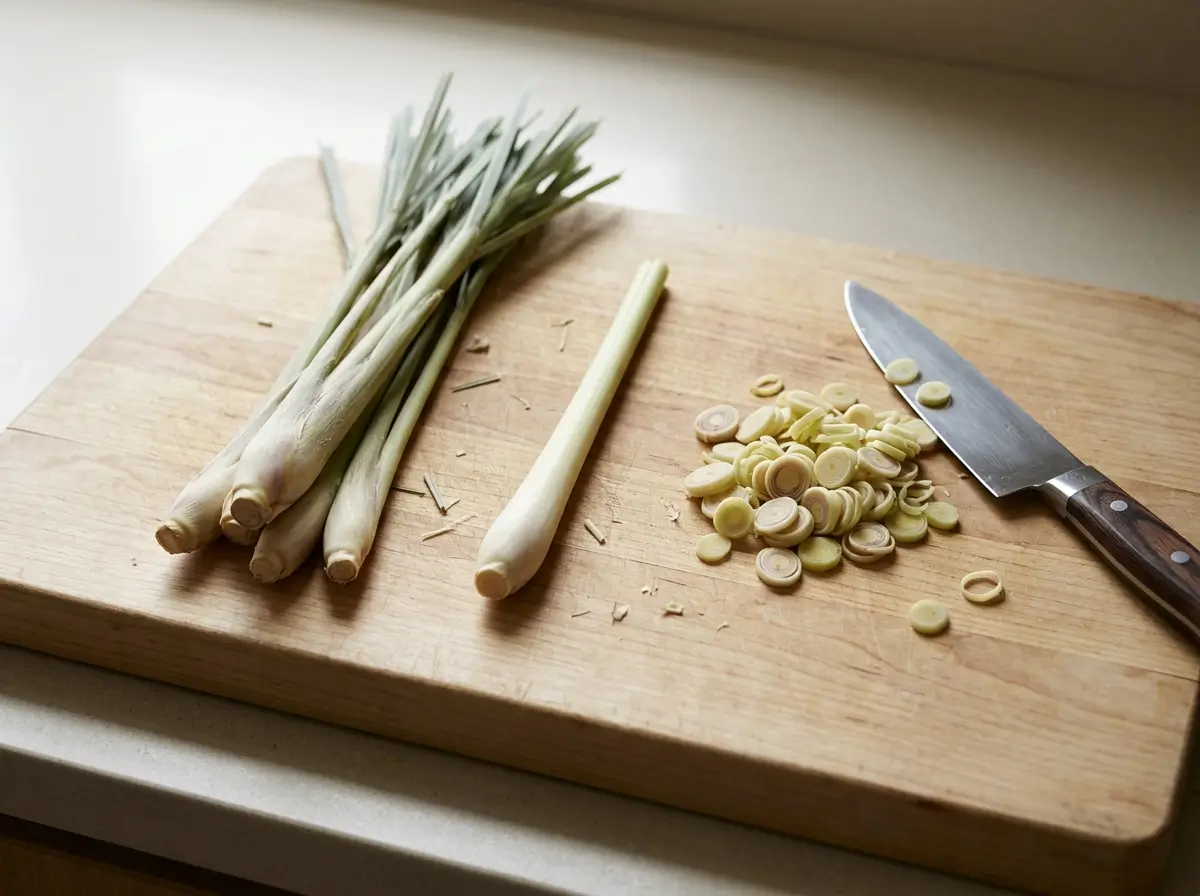
How to use lemongrass: cut off the woody base and the stiff green top, peel away the tough outer layers, and use the pale, tender inner core. How you cut it depends on the dish: bruise it and remove it afterward for soups, teas, and broths, or mince it fine if it stays in the food. This guide walks through each step, plus the mistakes that make lemongrass woody or bland.
What Part of Lemongrass Do You Use?
You use the pale, tender inner core of the stalk, which is found after you remove the tough outer layers, according to America’s Test Kitchen. The upper green leaves are stiff and fibrous, so most cooks leave them out of the dish. You can still toss them into a stock or tea pot for aroma and remove them afterward.
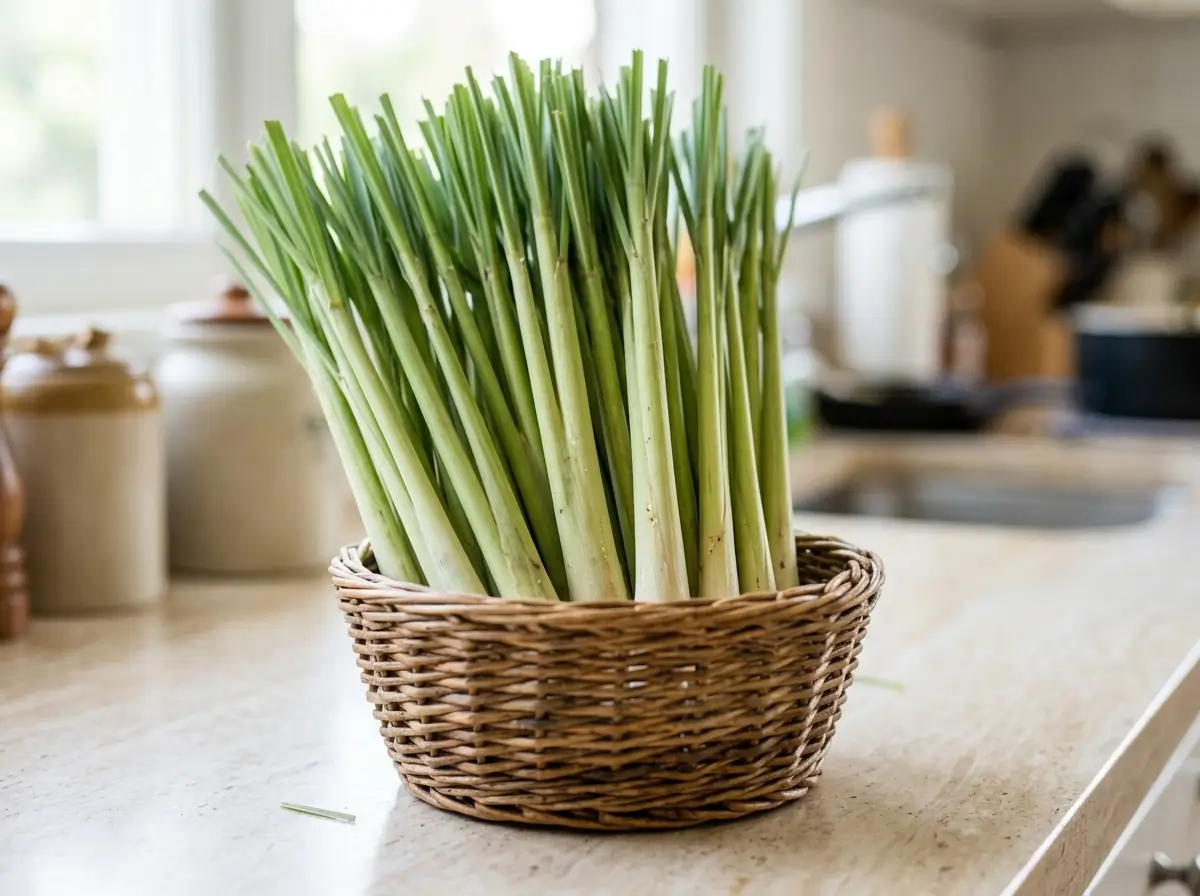
How to Choose Good Lemongrass
Pick stalks that are green, firm, and fragrant. America’s Test Kitchen advises avoiding stalks with dried-out outer leaves, which suggest they have been stored for a while. Yellowing or limp stalks are past their best.
How to Prep Lemongrass Step by Step
- Trim. Cut about 1 inch off the hard, woody base, and trim the stiff green top so about 6 inches of stalk remains.
- Peel. Remove the tough outer leaves, usually three or four layers, to reach the pale inner core.
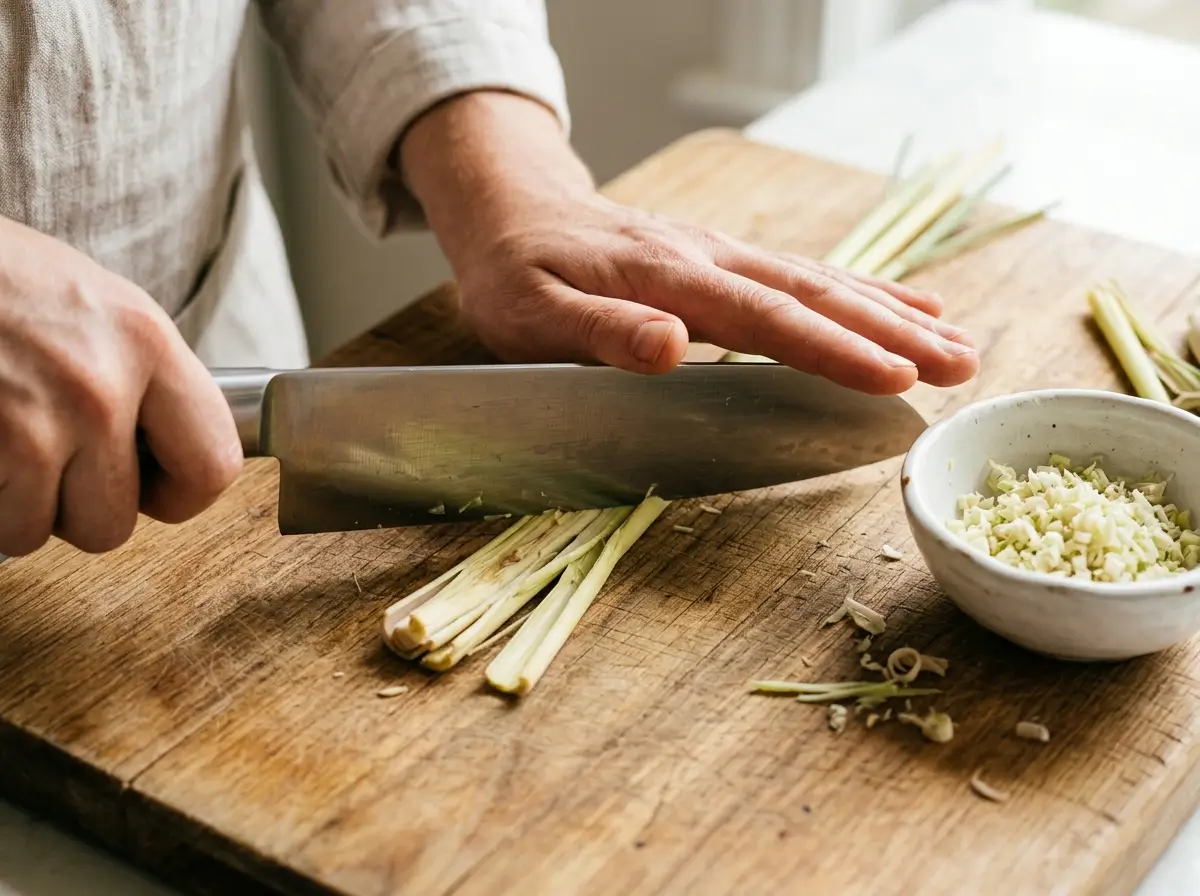
- Bruise or slice. If the lemongrass will be removed before serving, crush the stalk with a meat mallet, the side of a knife, or the bottom of a pan to release the oils, then cut it into lengths. If it will be eaten in the dish, mince it or slice it very thin.
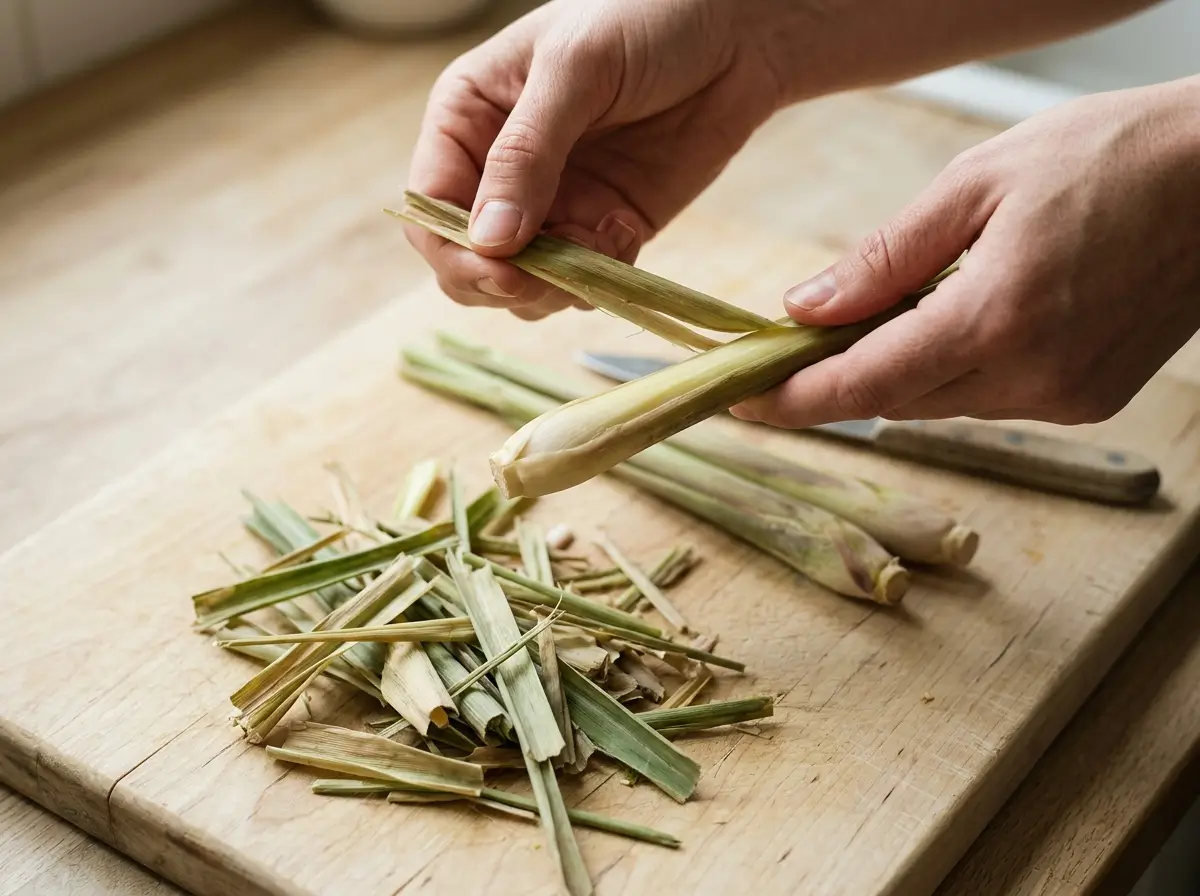
In short, trim the ends, peel the outer layers, then bruise the stalk for teas and broths or mince it for dishes where it stays in the food. Prep only the amount you need and keep the rest wrapped, as explained in our guide to storing and freezing lemongrass.
Ways to Use Lemongrass
- In tea: bruise the stalk, slice it, and simmer. Start with our lemongrass tea guide or the lemongrass ginger tea recipe.
- In soups and broths: add bruised pieces to the pot and take them out before serving, since they stay tough.
- In marinades and pastes: mince the tender core very fine, or blend it into a paste with garlic and ginger.
Common Mistakes
- Leaving the outer layers on: they stay woody and unpleasant to chew.
- Chopping large pieces and leaving them in the food: big chunks are fibrous, so remove them or mince finely.
- Skipping the bruising: an unbruised stalk gives much less aroma to a tea or broth.
- Buying more than you need and letting it spoil: see how to keep it in our guide to storing and freezing lemongrass.
What If You Do Not Have Lemongrass?
If you cannot find fresh stalks, see what to use instead in our lemongrass substitute guide.
How to Use Lemongrass FAQ
What part of lemongrass do you use?
The pale, tender inner core, found after you remove the tough outer layers. America’s Test Kitchen says to trim the woody base and stiff top, then peel away three or four outer layers.
Can you eat lemongrass?
Yes, the tender inner core can be eaten when it is minced or sliced very thin. The tougher parts are usually used to flavor a dish and then removed.
Do you have to peel lemongrass?
Yes. America’s Test Kitchen says to remove the tough outer leaves, usually three or four layers, to reach the inner core.
Why bruise lemongrass before cooking?
Crushing the stalk with a knife or mallet releases the essential oils that carry the aroma, which is especially useful for teas, soups, and broths.
Source
More herbal reading: types of herbal tea.